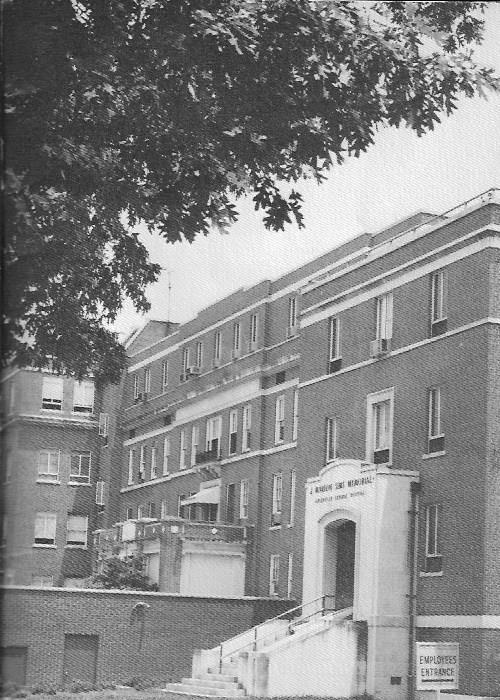
This post is a continuation of my memories and some memories from other graduates from my school from before 1973. Thankfully patient care continues to improve along side the field of medicine. https://joyful2beeblogs.com/2026/05/08/nursing-back-then-part-1/
Sharing the first blog “Nursing Back Then Part 1” with other nurses from my school and training era, triggered memories they shared with me.
Shift Report
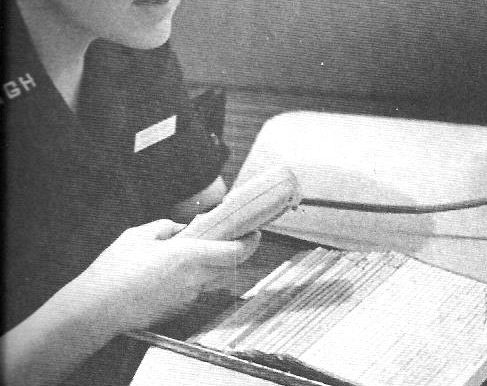
One shared memory was that we used to tape report on a recorder so we could staff the floor while the new shift listened to the report. We used a cardex (see picture below) card with each patient’s diagnosis/diagnoses, physicians’ names, activity, tests and care regimen prescribed. It was a real problem when the recorder broke, or the reporting nurse was in the middle of a crisis and couldn’t tape report.
Before I retired in 2011 reporting had changed to bedside reports. All information, tests, care plans, and patient questions were discussed in front of the patient as part of report of shift change. (Sometimes not practical, but the idea behind it was nice, unless the patient had had a bad night and had just finally gone to sleep!)
Medication Administration
Some fellow senior graduates, reminded us how we had to mix one or two mililiter(s) of saline with crushed narcotic pills like Demerol or other powdered narcotics, antibiotics, or atropine or scopolamine to be given as a preoperative intramuscular injection. If there was no intravenous drip usually before surgery, an order was given by the doctor to give the preoperative medicine to the patient as an injection in a muscle of the thigh, upper outer area of the buttock or lateral hip and occasionally the deltoid muscle of the arm.

I was appalled when a senior student nurse reminded me that we used to draw up Demerol from a 30 milliliter bottle and subtract and record the amount we withdrew on a narcotic record! We then marked the side of the bottle at the level of medicine left. By the way, those little pills I mentioned above were not sterile and we handled them with ungloved but washed hands!
These medications could sting, not to mention the pain when the needles had to be thicker because of the thicker antibiotics like Penicillin to be given. OUCH!! Thankfully the route of administration has changed to the intravenous route due to the increased risk of the needle or medicine irritating or damaging the sciatic nerve in the upper outer quadrant of the buttock. Now some antibiotics are given orally or intravenously, depending on the severity of the infection or illness for outpatients or inpatient if they could swallow.
Later in the hospital setting antibiotics were mixed in the pharmacy with a small bag of saline or dextrose and given intravenously by piggybacking it into an intravenous line hung higher than the main larger bag of fluid. This let the piggyback run in and then the large bag would flow and flush the line since it was lower. However, there were times when the piggyback medicine did not all run in or ran in too fast. We were so thankful for the IV controlling machines that are used now.
Back then during the old days and in my early years as a nurse we didn’t have electronic thermometers. We had the old mercury, glass thermometers. Each patient had a receptacle with alcohol in it for the thermometers at each bedside.
Thermometers
To take a temperature we removed the thermometer from its receptacle, rinsed it off with cold water. (Hot water would blow the mercury out the end of the thermometer!). So we had to sharply shake the mercury down to about 95 degrees Fahrenheit. This usually brought the level of the mercury in the thermometer down until it was below 95 degrees Fahrenheit. Then, we placed the thermometer into the appropriate orifice.
I remember my wrist hurting when a stubborn thermometer seemed stuck on 97 degrees! Imagine what it felt like after up to 8 patients twice a shift, or more often if a patient had a fever which needed frequent assessments.
Back then we didn’t know about the environmental pollution caused by mercury spills when one of these thermometers was dropped and broken! We didn’t have hazard kits to safely clean up the spills back in the early 1970’s. I am not entirely sure how it was cleaned up. But I think a towel was used since mercury was kind of liquid.
Now there are electronic thermometers with disposable, firm, plastic covers on them to shield the thermometers for use under the tongue or underarm, or of course, in the rectum. Smaller, similar thermometers can now be used in the ear; some thermometers even work on the forehead since I retired in 2010!
Bedpans
One of the oldest parts of “back then” which remained in the old hospital was the steel bedpans. Many times a cold, metal bedpan was pulled out of the bedside cabinet or cold bathroom and was slid under a poor bed-rest patient. (I still remember the gasps.)
Now we have plastic disposable bedpans that stick to the patients’ behinds unless some thoughtful person sprinkles powder on the pan. Still, plastic is a vast improvement.
The Fear of AIDS (HIV Virus)
When AIDS came out, HIV patients were put in isolation. At first we were afraid of catching it by just breathing the same air they did or having contact with the patient. There was one patient I remember who had the AIDS Dementia Complex, who threw urinals, spit at us and was quite a handful. It was terrifying to take care of him, but we did it as carefully as possible, because he had to be cared for and needed our help. That is just what nurses do.
It turned out that AIDS was not spread by contact with the patient but only their body fluids if they came in contact with broken skin, mucous membranes, or open wounds.
Needles used on an AIDS (HIV) patient could transmit the virus if a nurse or staff member were stuck by it. We didn’t know all of this back then but did the best we could to treat them with kindness, respect and professionalism.
People complain now about how things are sometimes. But so much progress has been made. I am thankful for the experiences I had because I know things are better and will continue to get better.

 joyful2beeblogs
looking back at the earlier methods and practices, it’s amazing we all made it through )
LikeLiked by 1 person
How interesting. Thank you for sharing.💝
LikeLiked by 1 person
Glad that you liked it. The next one is about my era of nursing.
LikeLiked by 1 person
I look forward to it 😀
LikeLike
Dear Colleague,
I sinceraly thank you for sharing your precious life and professional experiences.
Those who truly lived this profession can immediately recognize authentic emotions behind the words.
I wish you a paceful retirement,withthe beatiful light that belongs to those who spente their lives caring for others.
Have a nice day!
LikeLike
boruma1977, thank you for reading my posts and enjoying this one. There are two other posts about nursing that came before this. I love people and loved being a nurse for 37 years. I still am nursing in my life as I live in a retirement center. I always help where I am able. As a Christian, I love people and help where I can. Thank you for you kind words.
LikeLike